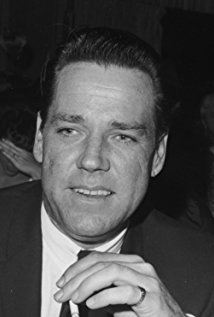
Kurt Russell's Father: Bing Russell's Journey from Actor to Sports Executive
When discussing Hollywood royalty, the name Kurt Russell immediately comes to mind. But behind every successful individual often stands a guiding force, and for Kurt, that force was his father, Neil Oliver "Bing" Russell. More than just
Kurt Russell's dad, Bing Russell carved out a fascinating and multifaceted career that spanned decades, leaving an indelible mark on both the entertainment industry and the world of professional baseball. From a dependable character actor in classic Westerns to an unconventional and visionary minor league baseball owner, Bing Russell's life was a testament to passion, innovation, and an unwavering independent spirit.
Born on May 5, 1926, in Brattleboro, Vermont, Bing's journey was anything but ordinary. He wasn't destined to simply be known as
Kurt Russell's father; he built his own legacy, one that continues to inspire. He passed away on April 8, 2003, at the age of 76 in Thousand Oaks, California, leaving behind a remarkable story of a man who pursued his varied interests with equal fervor and achieved significant success in seemingly disparate fields.
Beyond the Marquee: Bing Russell's Formative Years and Dual Passions
Bing Russell's early life laid the groundwork for his unique future. Growing up, he was exposed to two potent influences: the burgeoning world of entertainment and the timeless appeal of America's pastime. His childhood was notably intertwined with baseball, thanks to his father, Warren Oliver Russell, who ran a floatplane service. This connection led Bing to become an unofficial mascot for the New York Yankees during their spring training in St. Petersburg, Florida. This early immersion in the game undoubtedly kindled a lifelong love for baseball, a passion he would later translate into groundbreaking ownership.
While his roots were in Vermont, Bing's academic pursuits led him to Dartmouth College, where he studied Business. This formal education in commerce would prove invaluable for his later ventures in sports management. However, even during his high school years at Brattleboro High, the acting bug had already bitten him. This set him on a dual course, pursuing both the dramatic arts and a keen interest in the business of sports.
It was during these formative years that Bing met Louise "Lulu" Crone, while working at Teddy's Restaurant in Newport, New Hampshire, in 1945. Their connection blossomed, and they married in 1946. Together, they built a family that would eventually include four children: Jill, Jamie, Jody, and the celebrated actor, Kurt Russell. Louise and Bing remained married until his passing, a testament to a strong and enduring partnership that supported his diverse ambitions.
From Silver Screen to Small Screen: A Character Actor's Enduring Appeal
Bing Russell's acting career was characterized by longevity and a prolific output, spanning from 1951 to 1990. He wasn't typically the leading man, but rather a quintessential character actor whose dependable presence brought authenticity to countless roles. His debut came in the film *Calvary Patrol*, but it was his work in iconic Westerns and television series that truly solidified his place in Hollywood.
One of his most recognizable roles was Robert in the classic 1960 Western, *The Magnificent Seven*. Here, he shared the screen with an ensemble of legendary actors, showcasing his ability to hold his own amongst giants. However, for many television viewers, Bing Russell became a familiar and beloved face as Deputy Clem Foster in the massively popular series, *Bonanza*. As Sheriff Roy's affable and loyal deputy, Clem was a recurring character who often provided comic relief and a sense of grounded realism, befriending the Cartwrights and even taking over as Virginia City Sheriff when Roy was away. This role cemented his image as a reliable, salt-of-the-earth type, a persona that resonated with audiences.
Beyond *Bonanza*, Bing's filmography is extensive and varied. He appeared in series like *The Guns of Will Sonnett* (1967–1969), *Emergency!* (1973–1975), and *Little House on the Prairie* (1976). He also featured in family-friendly Disney films such as *The Computer Wore Tennis Shoes* (1969) and *The Apple Dumpling Gang* (1975). In 1979, he appeared in the biographical film *Elvis*, a significant project as his son, Kurt Russell, famously played the title role. Towards the end of his acting career, he even had a role in the 1989 action-comedy *Tango & Cash*, once again sharing the screen with Kurt, showcasing the multi-generational talent within the Russell family.
Bing's commitment to his craft provided a strong foundation for his son, Kurt, who would go on to become one of Hollywood's most versatile and enduring stars. It's clear that
Kurt Russell's dad not only passed on his genes but also his passion and professionalism for the performing arts.
The Game Changer: Bing Russell's Independent Baseball Vision
While his acting career was robust, Bing Russell harbored an equally strong passion for baseball, one that would lead him to become a true innovator in the sports world. In 1973, Bing purchased the Class A minor league baseball team, the Portland Mavericks. This wasn't just a casual investment; it was a deeply personal venture that allowed him to infuse his maverick spirit into the sport he loved.
The Portland Mavericks were a unique entity in minor league baseball – they were the only independent team in the Class A Northwest League. At a time when minor league teams were almost exclusively farm clubs for major league organizations, Bing's independent approach was revolutionary. He assembled a team of players who were often overlooked by the traditional baseball establishment, creating a haven for dreamers and misfits. His unconventional scouting methods and player management, including maintaining a 30-man roster, led to a vibrant and exciting team that captivated the local community.
Under Bing's ownership, the Mavericks became a local phenomenon, breaking attendance records in minor league history. His focus wasn't just on winning, but on creating an entertaining experience that connected deeply with fans. This pioneering spirit earned him significant recognition, including being honored as the Minor League Executive of the Year by The Sporting News in 1974.
The remarkable story of the Portland Mavericks and Bing Russell's visionary leadership was brought to a wider audience through the critically acclaimed 2014 documentary, *The Battered Bastards of Baseball*. The film beautifully captures the essence of Bing's independent team, featuring archival footage of
Kurt Russell's dad and highlighting his profound impact on the team and its players. This documentary stands as a powerful testament to his enduring legacy in sports. To delve deeper into his impact on the team, read about the
Portland Mavericks Owner: Bing Russell's Unforgettable Baseball Impact.
The connection between Bing's family and baseball didn't end with his ownership. His son, Kurt Russell, actually played for the Portland Mavericks, showcasing the family's deep ties to the sport. Furthermore, his grandsons, Matt Franco and Wyatt Russell, both pursued careers in professional baseball, with Wyatt even reaching the major leagues before transitioning to a successful acting career, mirroring his grandfather's dual passions.
An Enduring Legacy: The Russell Family's Creative and Athletic Spirit
Bing Russell's life was a masterclass in pursuing one's passions without compromise. He wasn't content to simply be
Kurt Russell's dad; he forged a unique path that blended his love for acting with his entrepreneurial spirit in sports. His ability to navigate and excel in two demanding fields speaks volumes about his character, vision, and determination.
His influence on his children and grandchildren is undeniable. Kurt Russell, who inherited his father's talent for acting, also embraced his love for baseball, playing for the Mavericks. This dual interest reflects Bing's own life journey. Similarly, Wyatt Russell, Bing's grandson, initially pursued a professional baseball career before finding his own success as an actor, illustrating a powerful generational echo of Bing's own trajectory. This remarkable family tradition underscores the profound impact Bing had in fostering an environment where artistic and athletic pursuits were not only encouraged but thrived.
Bing Russell passed away from cancer in 2003, but his legacy continues to resonate. He left behind a body of work as a prolific character actor and a revolutionary model for minor league baseball ownership. His memory lives on through the films and television shows he graced, the independent spirit of the Portland Mavericks, and most importantly, through the enduring success and diverse talents of the Russell family. For more insights into his incredible life, explore
Bing Russell: Kurt Russell's Dad, Bonanza Actor & Baseball Innovator.
Conclusion
Neil Oliver "Bing" Russell was far more than just
Kurt Russell's dad; he was a dynamic force who exemplified what it means to live a life driven by passion. His journey from a childhood mascot of the New York Yankees to a respected character actor and a visionary baseball executive paints a portrait of a man dedicated to his diverse interests. Whether he was delivering lines as Deputy Clem or challenging the norms of minor league baseball, Bing Russell approached every endeavor with an independent spirit and an unwavering commitment. His legacy is one of creativity, innovation, and a powerful family tradition that continues to shape American entertainment and sports.